
Last updated November 15, 2026
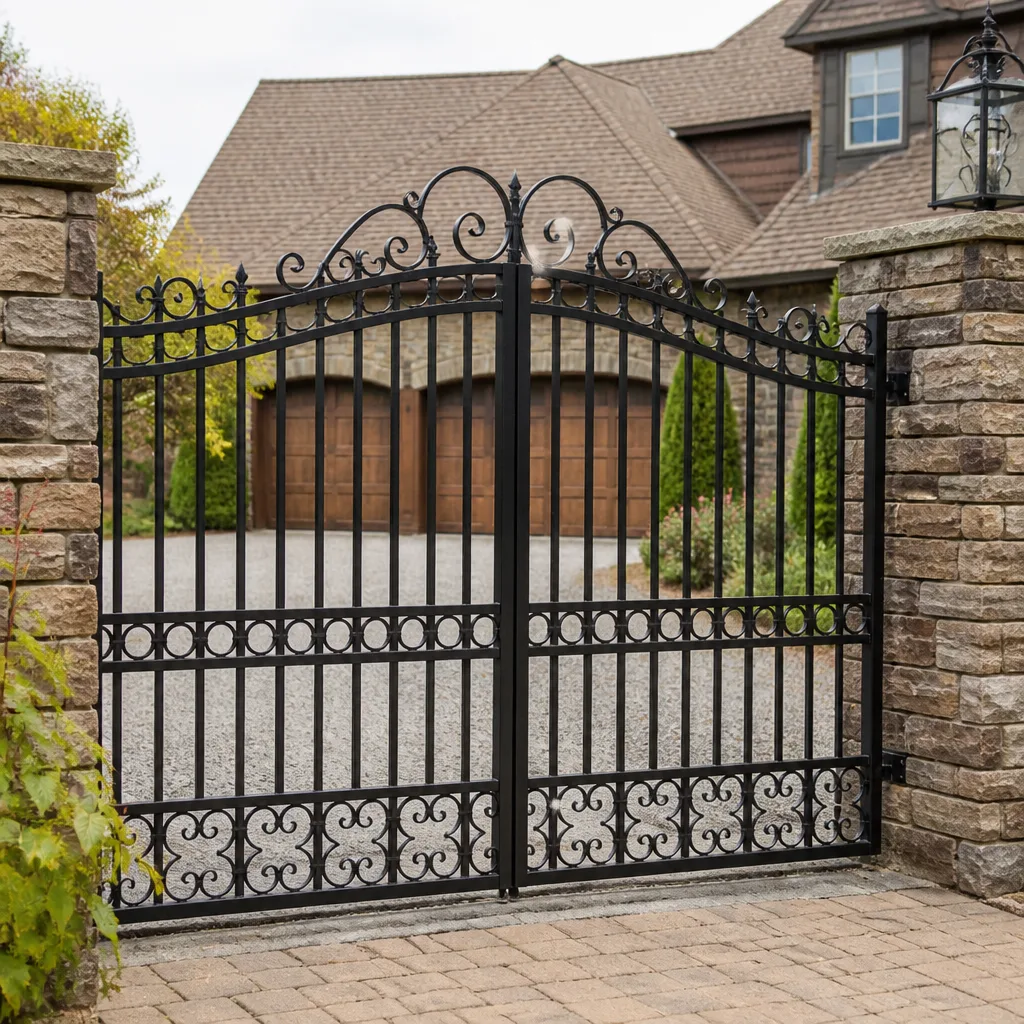 Wrought iron
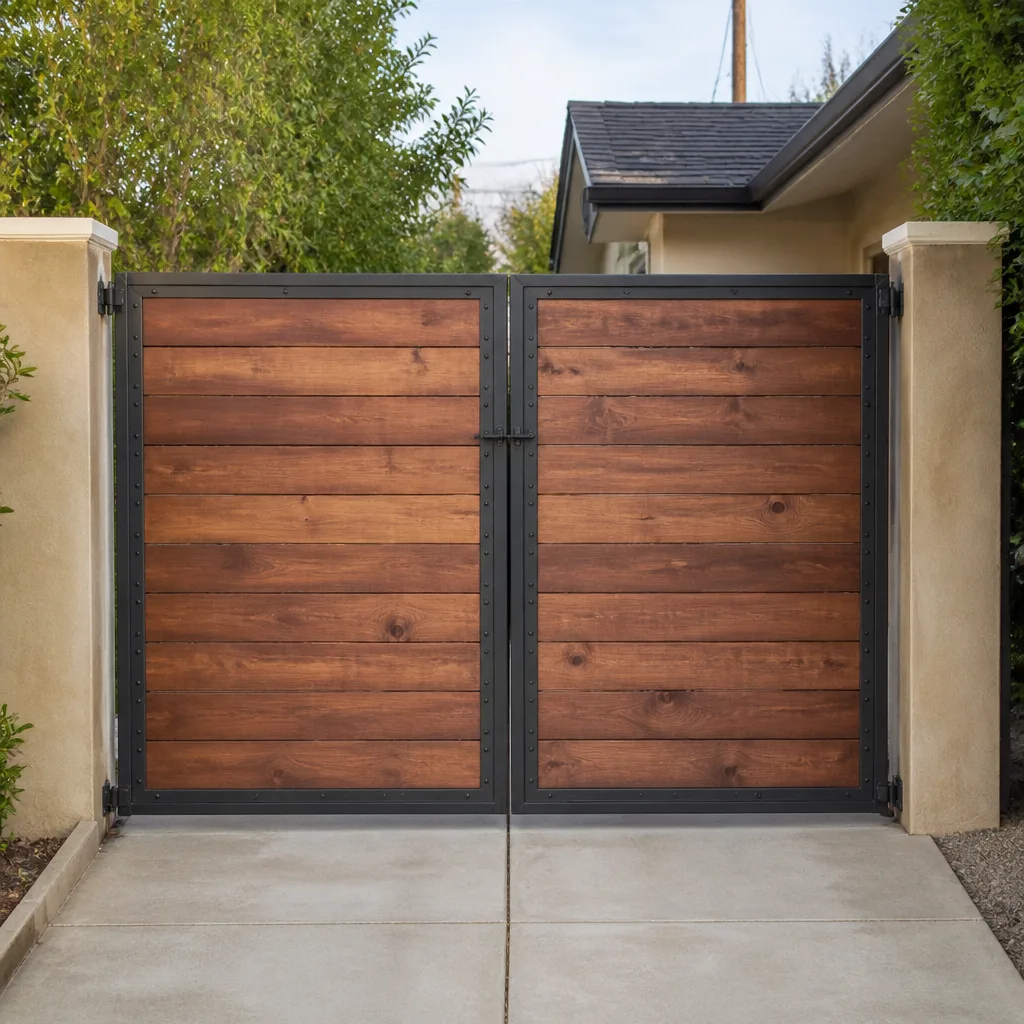 Wood & steel frame
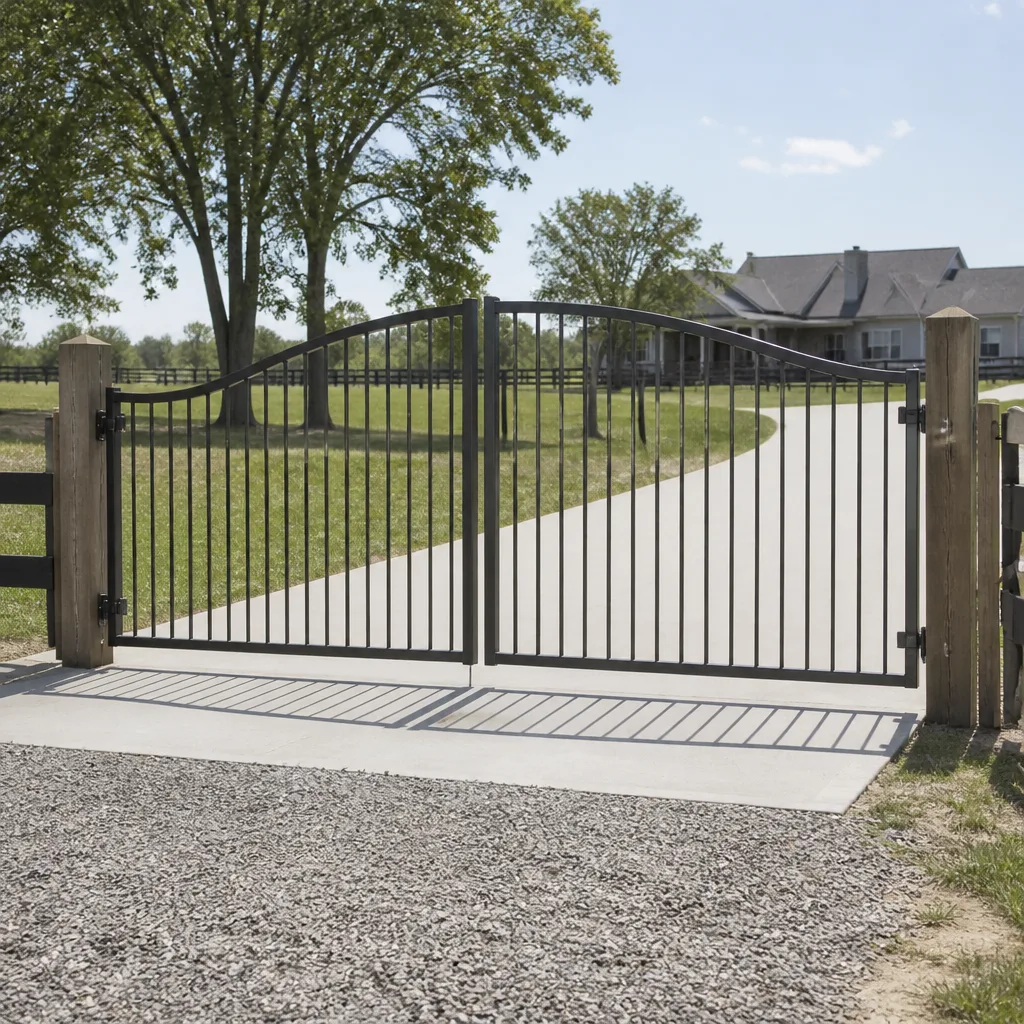 Farm & ranch
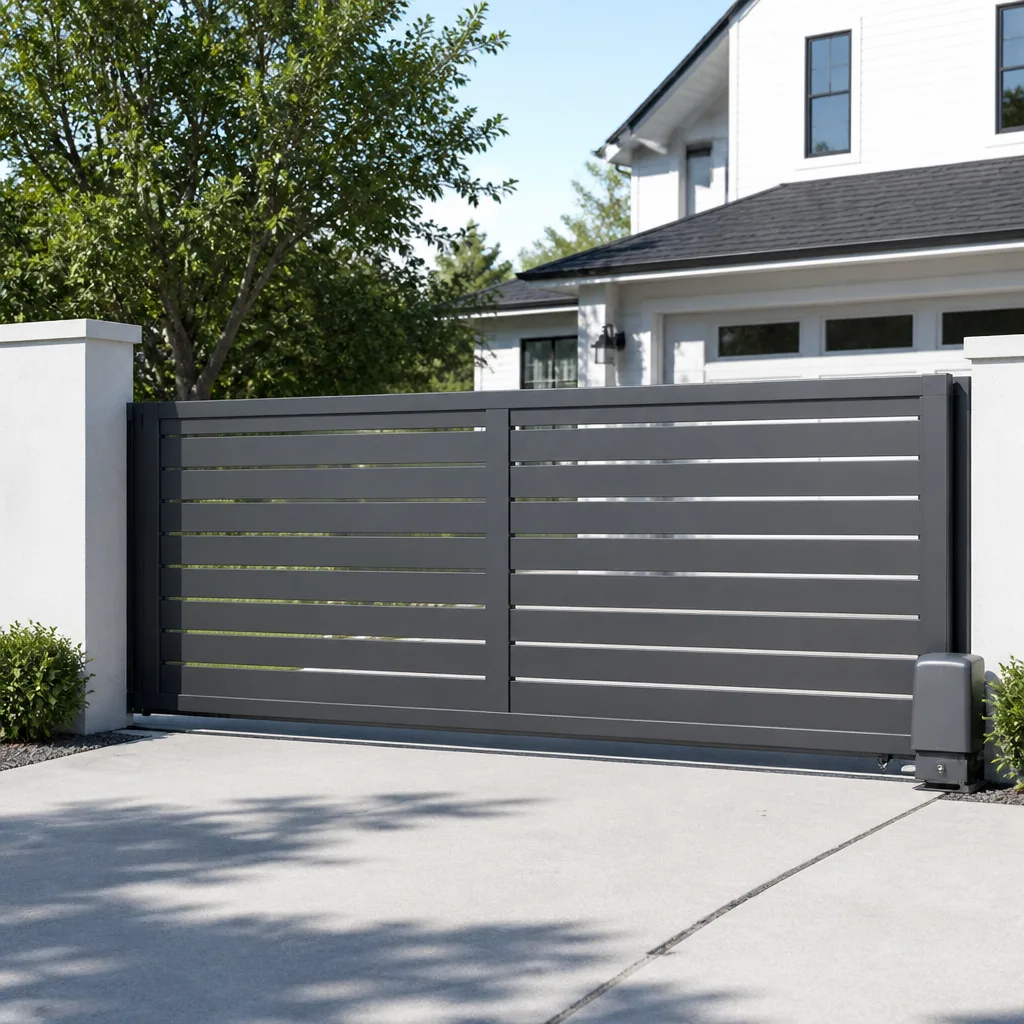 Sliding driveway gates
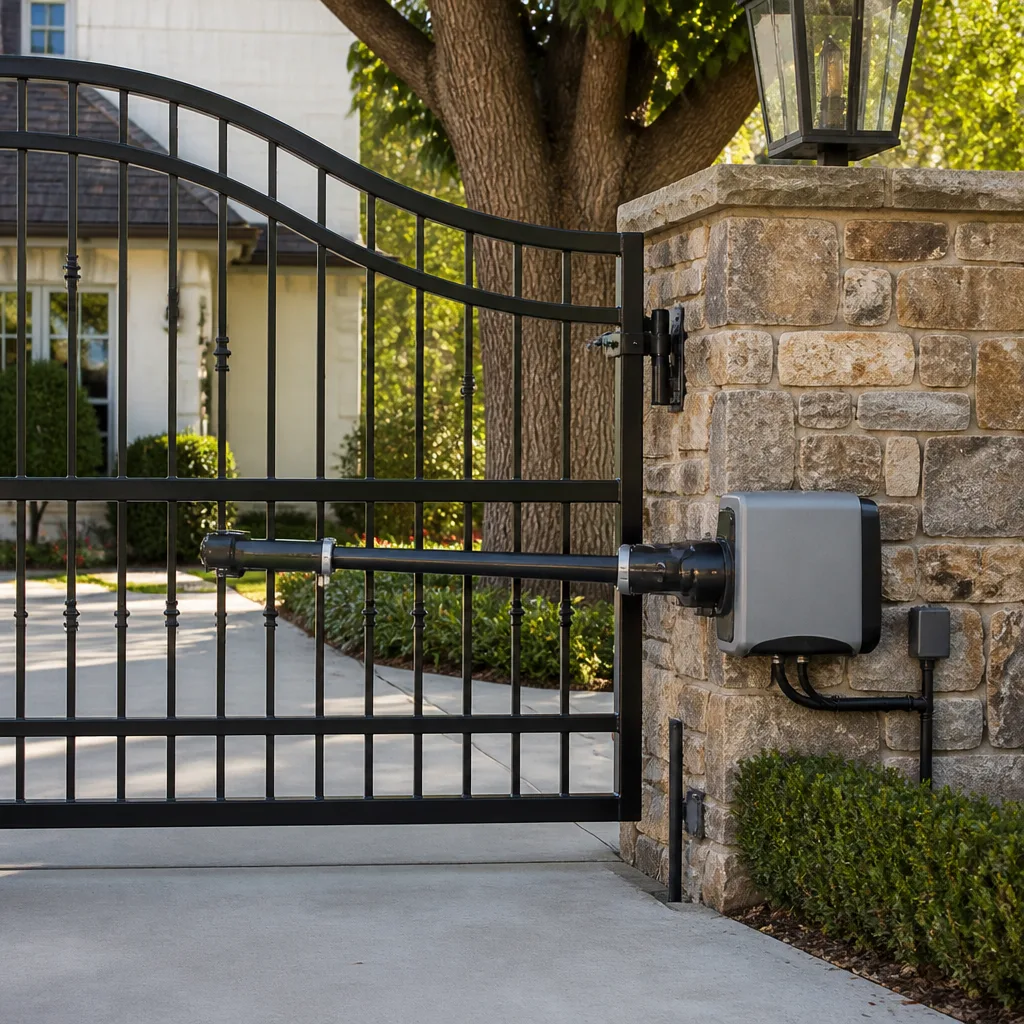 LiftMaster operators
Free on-site gate assessment - hinges, posts, and your LiftMaster or Nice gate operator checked before anything is quoted
The assessment is free and the quote is the invoice.
Get your free estimateGate Repair Cost Breakdown: The Peoria Homeowner’s Reference for 2026
Most homeowners assume a gate repair quote is a single number: the price of fixing the thing that broke. In practice, a quote is really three decisions stacked on top of each other. Is the problem structural, mechanical, or electrical? Are the parts OEM (built by the original manufacturer) or aftermarket (a third-party equivalent)? And is the person quoting you a gate specialist who works on gates all day, or a generalist adding a markup on someone else’s labor? Two quotes that look identical on paper can land hundreds of dollars apart because of those three variables. This guide breaks them down for Peoria homeowners so you can compare bids with real criteria instead of just picking the lower bottom line.
Quick Answer
Expect most common gate repairs in Peoria to run roughly $150 to $900 all-in, with single-component fixes (hinges, limit switches, capacitors) toward the low end and operator or control-board replacements toward the high end. The range is wide because the price depends on three things: whether the fault is structural, mechanical, or electrical; whether OEM or aftermarket parts are used; and whether the technician is a gate specialist or a generalist subcontracting the work. In most cases, a written per-job estimate issued after a site visit sets the actual price before any work begins.
Styles & brands we work with
- Wrought iron
- Wood & steel frame
- Farm & ranch
- Sliding driveway gates
- LiftMaster operators
Table of Contents
- What Actually Drives the Cost of a Gate Repair in Peoria?
- 2026 Price Ranges for Common Peoria Gate Repairs
- Full Operator Replacement vs. Component-Level Repair
- The Labor Rate Gap: Specialist vs. Generalist
- Emergency and After-Hours Pricing Norms in Peoria
- Peoria-Specific Cost Factors: Soil, Heat, and Rated Parts
- How to Evaluate a Gate Repair Quote
- OEM vs. Aftermarket Parts: When the Split Matters
- Frequently Asked Questions
What Actually Drives the Cost of a Gate Repair in Peoria?
Every gate repair quote in Peoria comes down to three variables, and once you can name them, comparing bids gets much easier.
1. The type of fault. Structural faults (a post that’s settled, a sagging frame, a panel that’s out of alignment) are labor-heavy and materials-light. Mechanical faults (hinges, rollers, latches, limit switches) are usually a single part plus a short service window. Electrical faults (control boards, motor capacitors, loop detectors, intercom wiring) are the most diagnosis-intensive because the technician has to rule out three or four components before swapping the one that’s actually failed.
2. The parts source. OEM parts come from the brand that built your operator – say a Ghost Controls arm or a DoorKing board. Aftermarket parts are compatible equivalents. OEM parts usually carry a higher sticker price but fit correctly on the first try and hold up to repeated cycles. Aftermarket can be cheaper, but the fit and durability vary widely by source, and a wrong-match replacement can add a second visit to the job.
3. The technician’s specialty. A gate specialist runs a narrower labor rate card but completes the job in fewer hours because the diagnosis is faster. A general fence or garage-door company may post a lower hourly rate and then spend the extra hours learning your gate, or subcontract the electrical side – which adds margin without adding progress.
We see all three of those play out in Peoria every month, and they explain most of the gap between a low quote and a high quote for the same failure. Gate Repair Peoria specializes exclusively in gates, so when we quote a job the diagnosis and the parts sourcing sit in the same hands rather than getting handed off to a second trade.
2026 Price Ranges for Common Peoria Gate Repairs
Below are the typical estimated ranges for the repairs we see most often in Peoria. Treat these as a planning tool – the written estimate after a site visit is the final word on price, and the numbers vary based on gate size, operator brand, and access difficulty.
| Repair | Typical Range | OEM vs. Aftermarket Split | Notes |
|---|---|---|---|
| Hinge replacement (single or pair) | $150-$320 | OEM ~$40-$90 ea.; aftermarket ~$20-$50 ea. | Labor-dominant; heavier panels cost more in hardware |
| Limit switch adjustment or replacement | $150-$300 | OEM switch ~$30-$70; aftermarket ~$15-$40 | Often the cheapest fix on a misbehaving operator |
| Post resetting / re-footing | $350-$900 | Concrete and hardware only; no aftermarket concern | Higher end when the gate must be fully removed to reset |
| Control board replacement | $350-$850 | OEM board typical; aftermarket risky on boards | Includes diagnosis and re-programming to remotes |
| Operator swap (like-for-like) | $600-$1,400 | OEM w/ warranty vs. aftermarket w/ limited coverage | Price jumps when replacing a discontinued unit |
| Motor capacitor / minor component | $150-$350 | OEM vs. aftermarket savings ~$20-$60 on the part | Often misdiagnosed as “dead motor” by generalists |
For a deeper walkthrough of the repair side of our work, see our gate repair page. Electric and motorized systems are a separate specialty with their own cost profile.
Full Operator Replacement vs. Component-Level Repair
In our experience, the single biggest reason a Peoria homeowner overspends is a quote for a full operator replacement when the actual fault was a failed component inside an otherwise healthy unit. A dead gate does not mean a dead operator. The operator is an assembly of at least four things that can fail independently:
- The motor – the part that physically drives the gate
- The control board – the brain that sequences open, close, pause, and lockout
- The capacitor – the component that gives the motor its starting push
- The limit switches – the sensors that tell the board the gate is fully open or closed
The classic scenario: a homeowner calls because the gate opens fine but stops closing halfway. A generalist may diagnose “the operator is going bad” and quote a full swap. A gate specialist will test the limit switch, the safety loop, and the board before quoting anything. Nine times out of ten, that open-but-not-close pattern is a limit switch or a safety device, not a motor. A component fix typically lands 30% to 60% below a full swap.
Full operator replacement is justified in three situations: the motor itself has failed, the unit is discontinued with no parts supply, or the operator is severely undersized for the gate (a common issue on older installs where a small residential unit was hung on a wide driveway gate).
How we tell the difference (in general terms)
- Confirm the fault pattern. Note exactly what the gate does and doesn’t do. Open-no-close, close-no-open, and “nothing at all” point at three different subsystems.
- Test the sensor circuit first. Safety loops, photo-eyes, and reversing edges frequently mimic motor faults.
- Test the start capacitor. A failing capacitor produces the “motor hums and doesn’t move” symptom.
- Inspect the control board. Burn marks, a stuck relay, or a board that won’t enter learn-mode points at the board itself.
- Check the motor last. If the motor spins freely and the supply voltage is correct but the drive gear is dead, the operator needs replacement.
Electric gate work touches mains power and moving machinery that can crush. We never walk a homeowner through opening a live control box – if the operator’s electrical side needs attention, that’s a job for a trained technician. Our electric gate repair page covers the diagnosis process in more detail.
The Labor Rate Gap: Specialist vs. Generalist
It’s tempting to assume the generalist with the lower hourly rate is the cheaper choice. On gates, that assumption often breaks down. Here’s why.
A gate specialist quotes a higher hourly rate because the rate reflects deep brand-specific knowledge. Knowing how a Mighty Mule control board behaves versus an Elite board, and where to test a DoorKing loop detector before swapping the board, compresses diagnosis time into minutes. A generalist has to search the operator manual, call technical support, or bring the part in on speculation. What shows up as a higher hourly rate on paper lands as fewer billed hours on the invoice.
The second gap is subcontracting. Generalists without electrical-gate capability often hire out the control-board or intercom side of the job. That creates two labor rates stacked on one invoice – the generalist’s markup plus the subcontractor’s rate – for a repair a specialist handles in one visit.
What to ask when comparing labor quotes
- Is the diagnosis and the repair done by the same technician in one visit?
- If a board or motor needs replacing, is the part already on hand or ordered?
- Is the quoted rate for diagnostic time separate from repair time?
- Does the quote assume a single visit or is a second trip implied?
When comparing across Peoria contractors, ask those four questions up front. The quote that answers them clearly is usually the quote that holds its number on the invoice.
Emergency and After-Hours Pricing Norms in Peoria
After a high-wind event or a long stretch of monsoon activity, gate failures tend to cluster. That’s when homeowners call every gate company in the Peoria area at once and the market for emergency service tightens. What you’ll see is a wide spread of pricing on urgent work – some of it fair, some of it opportunistic.
Reasonable emergency behavior: a company answers the phone when you call (we answer 24/7, and we dispatch technicians from 7am to 7pm, Sunday through Friday, and are closed on Saturday). A technician shows up, diagnoses the fault, and issues a written estimate that you agree to before work begins. The price is set per job by that estimate.
Opportunistic behavior: an inflated flat “emergency call-out” number quoted before anyone has looked at the gate, an insistence on a full operator swap without testing components, or a quote that grows after the fact for “unforeseen” work. None of those are signs of a specialist.
The best defense against urgent-failure pricing is a maintenance visit in the calm part of the season. A gate that gets walked through once a year – hinges greased, limit switches verified, posts checked for movement – is far less likely to fail on the day you need it most. If a gate fails on a Saturday, call us: we’re closed that day and we’ll book the job into the next opening. Call (855) 574-0402 to schedule. A call outside dispatch hours is booked into the next opening, Sunday through Friday, 7am to 7pm.
Peoria-Specific Cost Factors: Soil, Heat, and Rated Parts
Two factors push gate repair costs in Peoria above what other markets see: expansive soil and sustained high heat. Neither is exotic. Both affect what gets quoted.
Expansive soil and post resetting. A large share of Peoria sits on soils that swell when wet and shrink when dry. Over time that movement works a gate post out of true, and a gate that’s properly hung on a straight post starts to drag, bind, or trip itself on limit switches. Post resets are more common here than in most markets, and the honest cost range reflects the excavation, new footing, and re-hanging work. On a heavy driveway gate the reset can be a full-day job. When you get a quote for post work, ask whether it includes excavation and a new concrete footing or whether the old footing is being reused – reusing a footing is what causes repeat resets.
Heat-rated replacement parts. Summer heat in Peoria degrades seals, capacitors, and control boards faster than cooler climates. A cheap aftermarket capacitor may work fine elsewhere and fail in two years here. When a technician recommends a heat-rated replacement part for an operator or control board, the upcharge is usually 15% to 40% on the part cost – and it’s usually the right call for a gate that lives in full sun.
Both of those factors show up in every honest quote in the Peoria market. A quote that ignores them is likely a quote that will need follow-up work.
How to Evaluate a Gate Repair Quote
The goal of comparing quotes isn’t to find the cheapest number. It’s to find the quote that reflects a complete diagnosis, the right parts, and a technician who can finish the job in one visit. Here’s a straightforward process:
- Check whether the quote describes the fault in specific terms. “Operator needs replacing” is not a diagnosis. “Start capacitor failed on a LiftMaster unit; motor is healthy” is.
- Confirm OEM or aftermarket on any replacement part. The quote should name the source. If it doesn’t, ask.
- Ask whether the fix is component-level or full replacement. If the quote jumps straight to full operator swap without testing components, that’s a red flag for overspending.
- Ask whether the price includes a return visit. A quote that assumes part-on-hand is cheaper than a quote that assumes an order plus a follow-up trip.
- Verify the technician’s specialty. A gate specialist knows your brand; a generalist may not. On electric gates, ask specifically about board, loop, and intercom experience.
- Get the price in writing before work starts. The written estimate is your protection. No approved estimate, no work.
- Compare the total, not the hourly rate. A higher hourly rate with fewer billed hours comes out cheaper than a low rate with a second visit stacked on top.
Run every Peoria quote through those seven checks and the real cost usually becomes obvious. When a quote passes all seven, it’s the one to sign.
OEM vs. Aftermarket Parts: When the Split Matters
Parts source is the most misunderstood line on a gate repair quote. Here’s where the split matters most:
- OEM is worth it on control boards. Boards interact with every other component in the operator. A wrong-match aftermarket board can cause intermittent faults that are extremely hard to chase down, and the diagnostic cost ends up eating the parts savings.
- OEM is worth it on operator swap arms and gear assemblies. Undersized or poorly matched gear drives wear fast under Peoria heat and daily cycling.
- Aftermarket is often fine on hinges, rollers, and latches. These are low-tech, high-tolerance parts where compatible equivalents perform as well as originals at 40% to 60% of the cost.
- Aftermarket capacitors are hit-or-miss in this climate. A cheap capacitor in a full-sun operator cabinet is likely to fail early; the extra cost of a rated part is usually worth paying.
- Safety devices should not be downgraded. Photo-eyes, reversing edges, and loop detectors protect people and property. We don’t recommend cutting corners there.
Nine major brands pass through our shops – among them Ghost Controls, DoorKing, Elite, and Mighty Mule – and knowing which part on which brand can safely take an aftermarket substitute is exactly the kind of judgment a gate-only specialist brings to a quote. Whether your opener is a LiftMaster or a Mighty Mule, we know the safe substitution from the risky one. One call covers repair, installation, and everything in between.
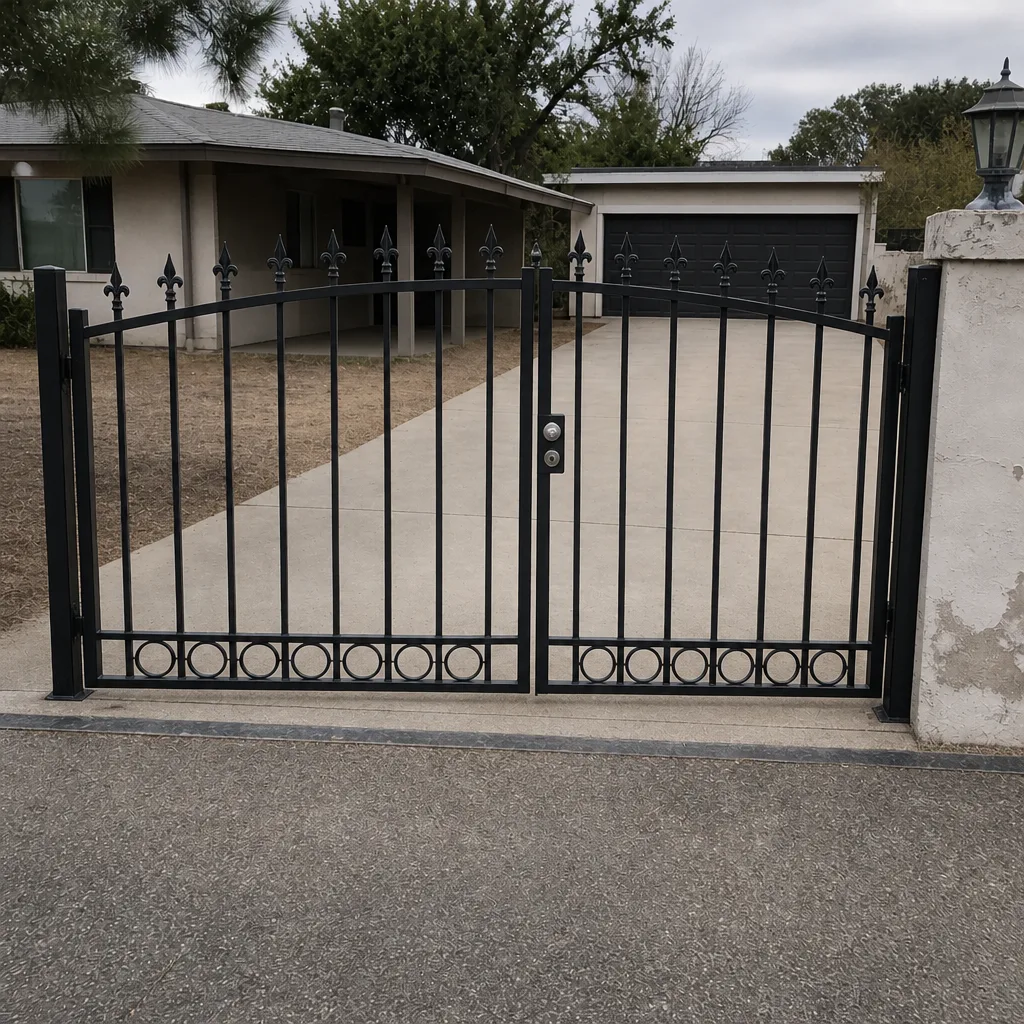
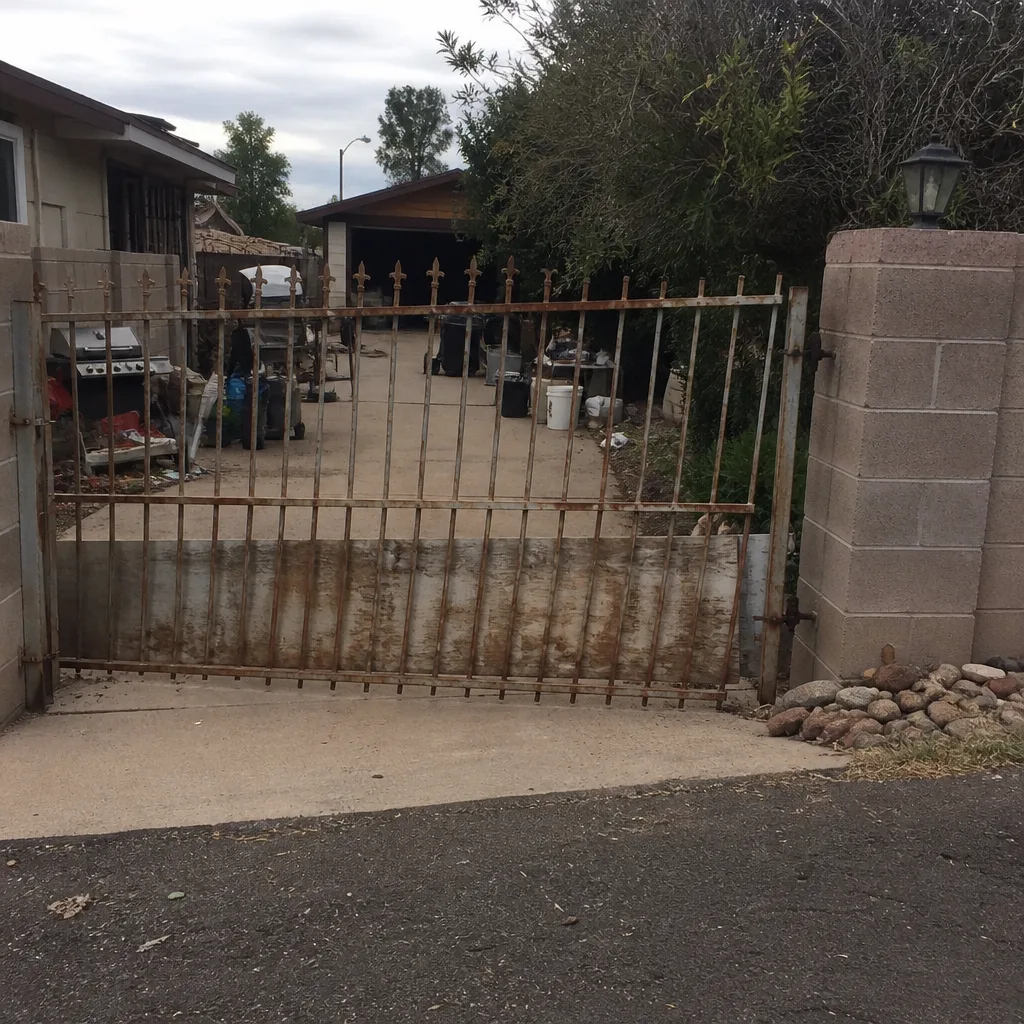
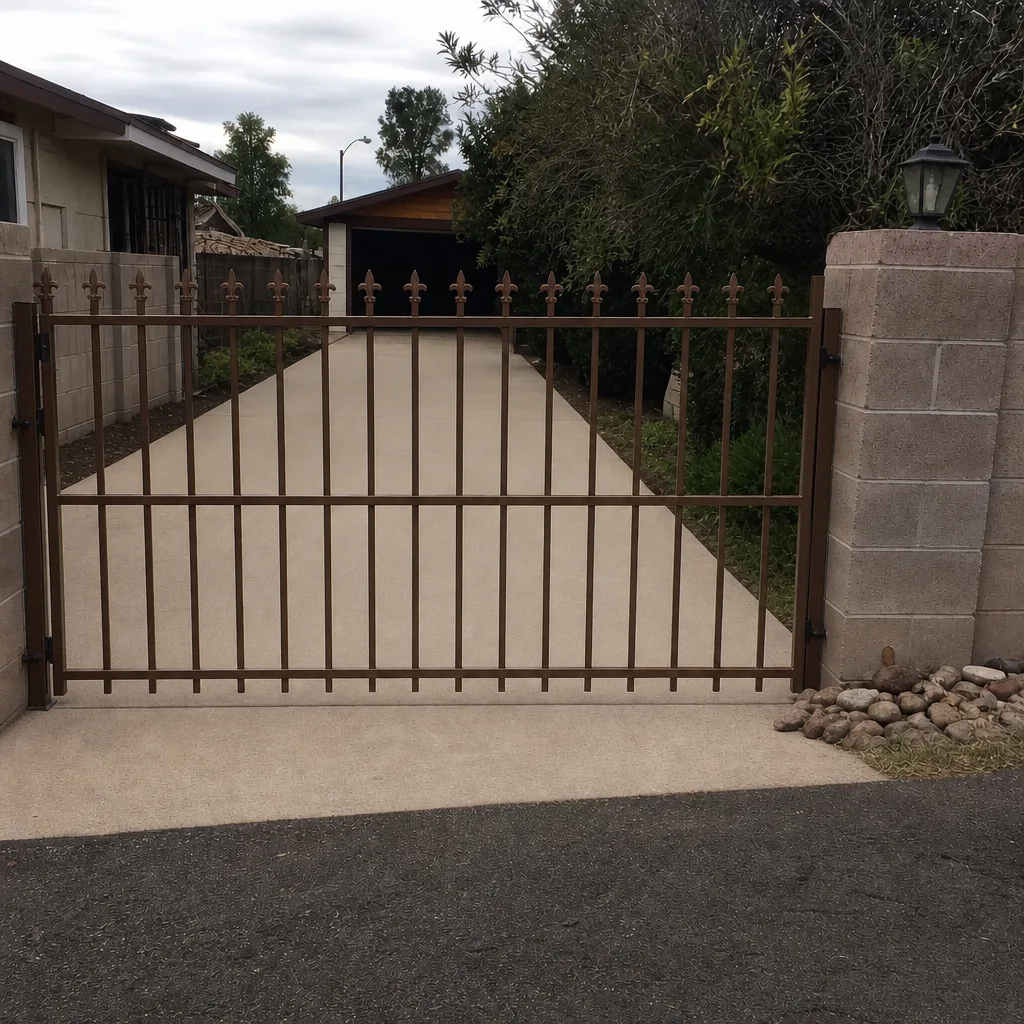
See the difference
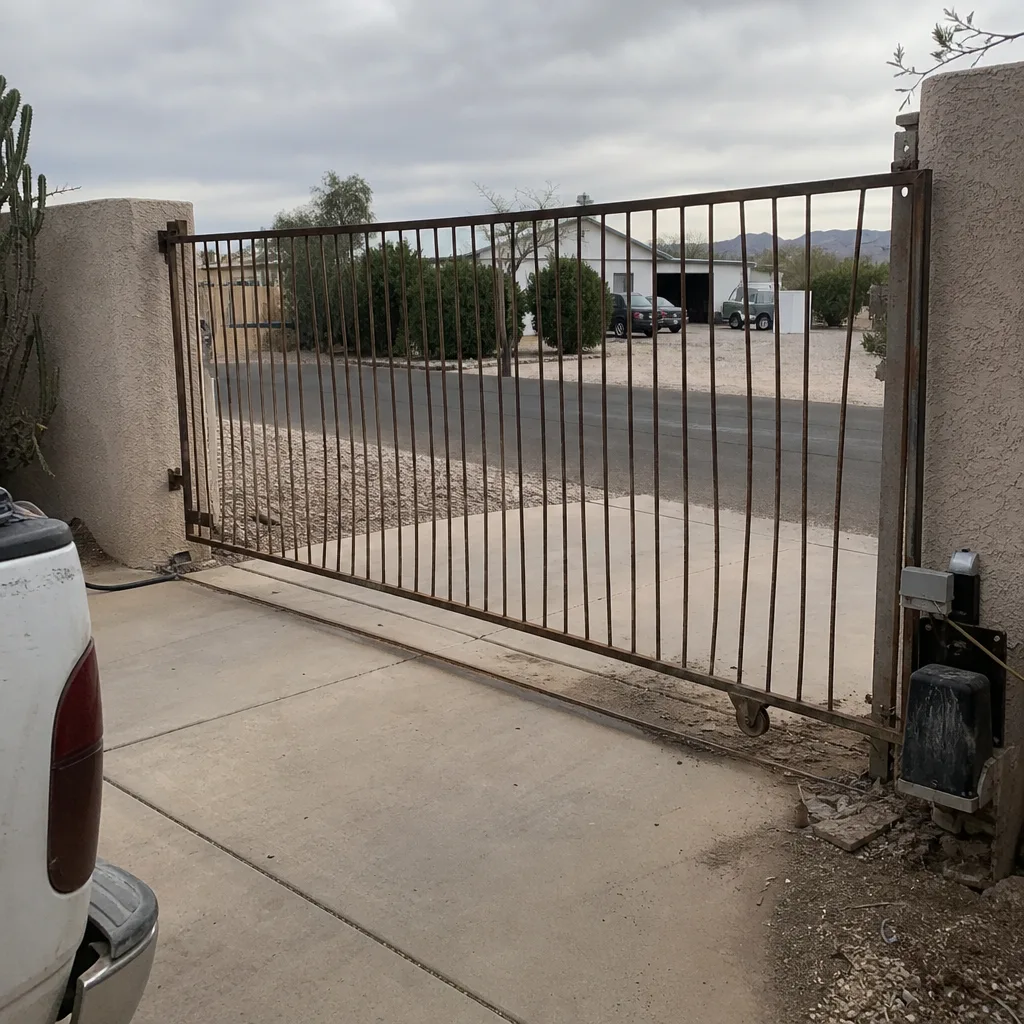 Before
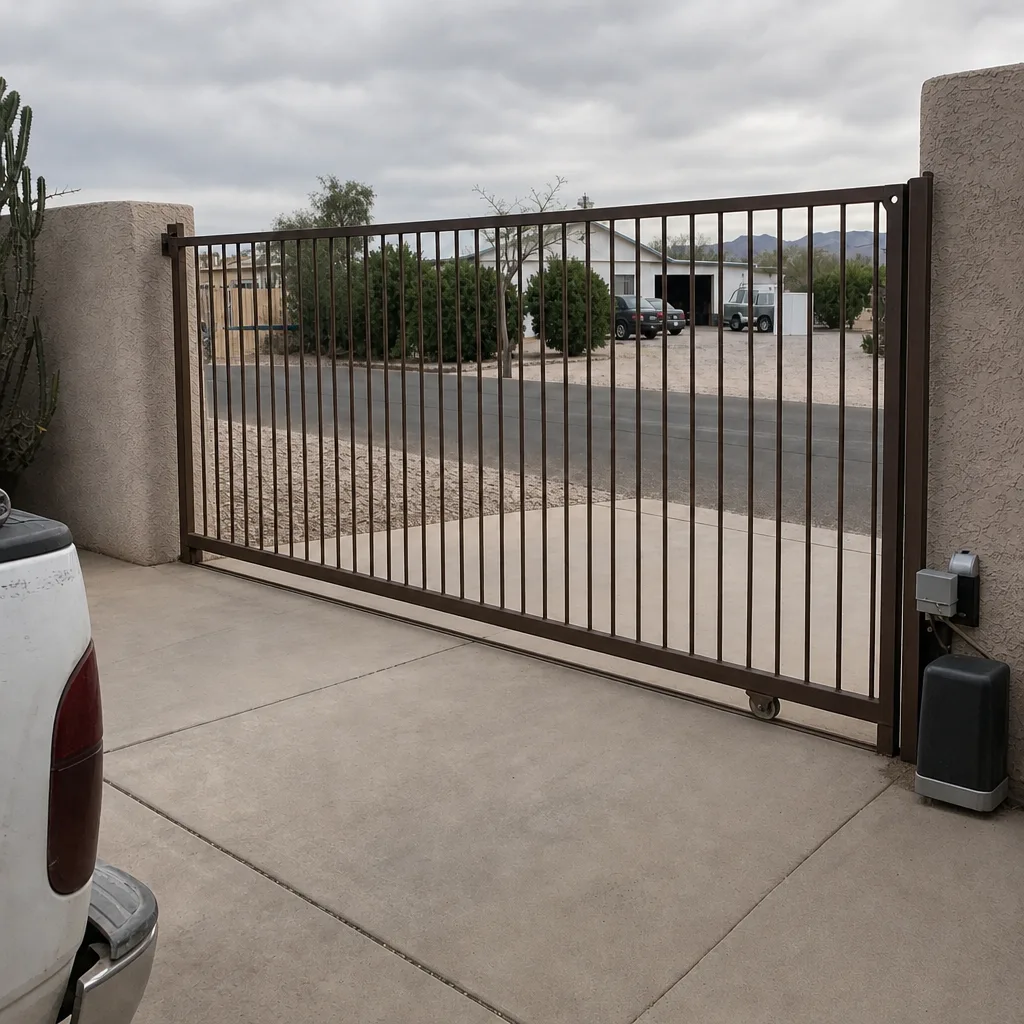 After
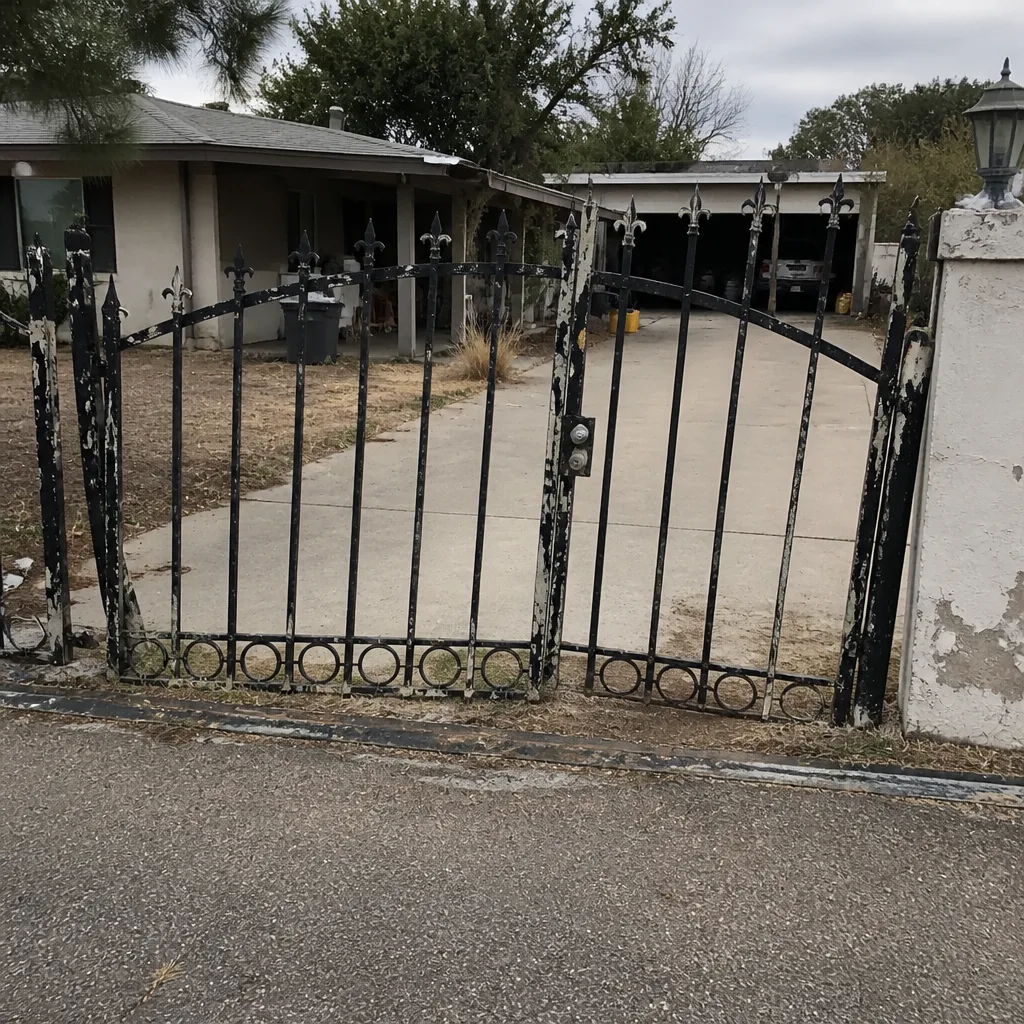 Before
 After
 Before
 After
Common Mistakes to Avoid
- Accepting a full operator replacement quote without a component-level diagnosis. On most modern operators, the board, capacitor, or limit switch can be tested before assuming the motor has failed. A quote that skips that step is usually overpriced.
- Choosing the lowest quote without comparing the parts line. A quote that uses aftermarket parts for a control board may look cheap on paper and cost more in a second visit. Ask specifically which parts are OEM.
- Assuming a generalist’s hourly rate saves money. Generalists commonly subcontract the electrical side, which stacks a second rate on the invoice. Total cost is the number that matters.
- Reusing an old footing on an expansive-soil Peoria lot. Peoria’s clay-based soils move with the water table. Reusing a footing because it’s “still there” is the most common cause of repeat post resets.
- Choosing aftermarket capacitors and heat-sensitive components in a full-sun install. The delta on the part price looks like savings until the part fails early in a summer heat wave. A rated part is the right call for operators that see direct sun.
- Waiting until the gate fails to get a maintenance visit. A failing gate is expensive to fix; a greased hinge and a checked limit switch is cheap. Preventive visits in the cooler months save real money.
- Calling the emergency number on a Saturday and expecting service. We’re closed Saturday. If a gate fails on a Saturday, call us and we’ll book the next opening – Sunday through Friday, 7am to 7pm.
When to Call a Professional
Some gate issues need a technician in person, and trying to handle them yourself is where homeowners get hurt or overspend. Call a professional when: the operator is dead or unresponsive; the gate has stopped reversing on obstruction; a post has shifted and the gate drags; the control board is showing fault codes you don’t recognize; the gate is binding or tracking poorly on a slide rail; or the operator is on an intercom integration and stops answering from the house. Do not open a live control box yourself – mains power and moving machinery are a genuine hazard. If you have an operator that’s more than a few seasons old, a professional inspection can catch a failing capacitor or worn hinge before it strands the gate. Gate Repair Peoria offers free estimates in Peoria – call (855) 574-0402. Our technicians have up to 11 years of experience, and every price is quoted and agreed before any work starts.
Frequently Asked Questions
Most common gate repairs in Peoria land somewhere between $150 and $900, with single-component fixes (hinges, limit switches, capacitors) toward the low end and operator or control-board replacements toward the high end. The exact number depends on the fault type, whether OEM or aftermarket parts are used, and whether the technician is a gate specialist or a generalist. Call (855) 574-0402 for an exact quote – estimates are free.
Often yes – same-day service is available during dispatch hours, and we answer the phone 24/7 with fast dispatch from 7am to 7pm, Sunday through Friday. A call outside dispatch hours is booked into the next opening. If your gate is stuck open tonight, call (855) 574-0402 and we’ll book the next available window.
Post resetting in Peoria typically runs $350 to $900, with the higher end hitting when the gate has to be removed entirely, the old footing has to be dug out, and a new footing has to cure before the gate can go back up. Expansive soil in Peoria makes resets more common here than in most markets. Call (855) 574-0402 for a free estimate on your gate.
No – in our experience, most “dead operator” calls turn out to be a failed component (limit switch, capacitor, safety device, or control board) that costs 30% to 60% less to fix than a full swap. A full operator replacement is justified when the motor itself has failed, the unit is discontinued, or the operator was undersized for the gate from the start. Ask any contractor whether they performed a component-level diagnosis before quoting a swap.
Yes – our electric gate work includes the operator, control board, safety loops, photo-eyes, reversing edges, and intercom integration, all under one call. That’s what we mean by “electric gate acting up? We diagnose the motor, board, and sensors, not just the obvious.” Call (855) 574-0402 for a free estimate.
New gate installation is quoted per job after a site visit and a free measure – installation pricing is not a “same-day” category the way repair is. For a new automatic driveway gate the quote depends on gate size, operator brand, access-control needs, and site conditions (including how the post footings need to be built on Peoria soil). Call (855) 574-0402 to schedule a measure and get a written estimate.
The Bottom Line
Gate repair pricing in Peoria isn’t random – it’s driven by three variables on every quote: the fault type, the parts source, and the technician’s specialty. Once you can name those variables, a $480 quote and a $1,350 quote look less like a mystery and more like a choice. Expect most repairs in Peoria in 2026 to run $150 to $900, demand a component-level diagnosis before a full operator swap, ask specifically about OEM vs. aftermarket on boards and heat-sensitive parts, and always get the price in writing before work starts. A specialist usually comes in lower on total cost, even at a higher hourly rate.
If your gate is failing, dragging, or just not responding the way it should, call Gate Repair Peoria at (855) 574-0402. We answer 24/7. Fast dispatch from 7am to 7pm, Sunday through Friday. Estimates are free, and every price is quoted and agreed before any work starts. Nine brands. One specialist. No runaround.
Written by the team at Gate Repair Peoria.