
Last updated November 15, 2026
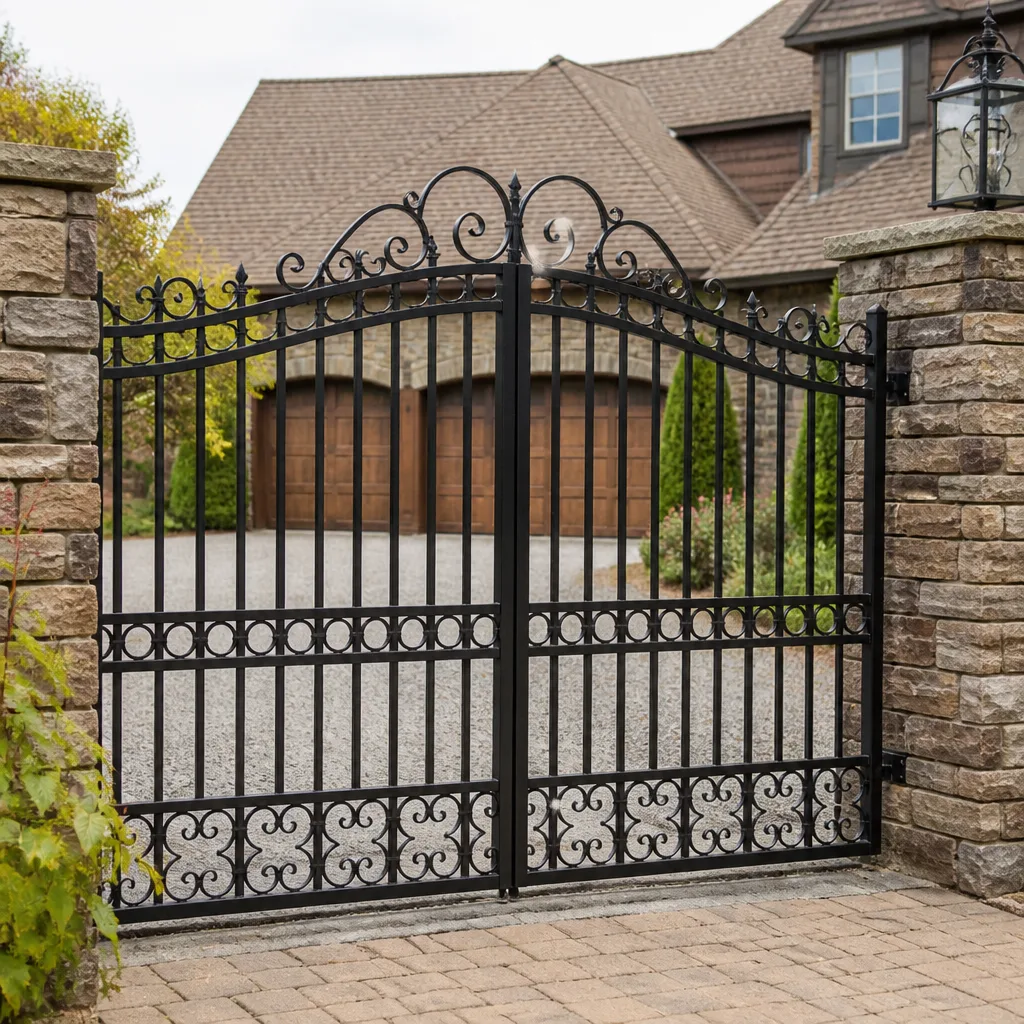 Wrought iron
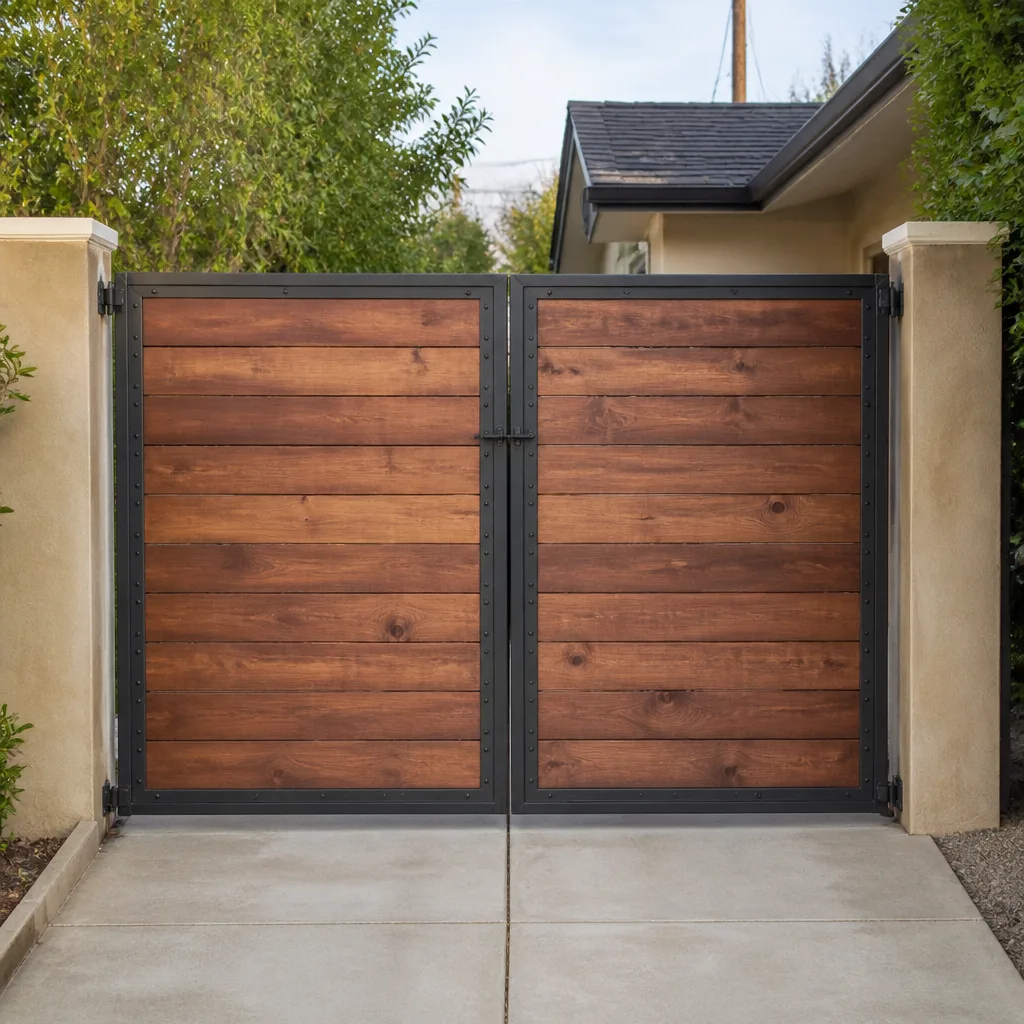 Wood & steel frame
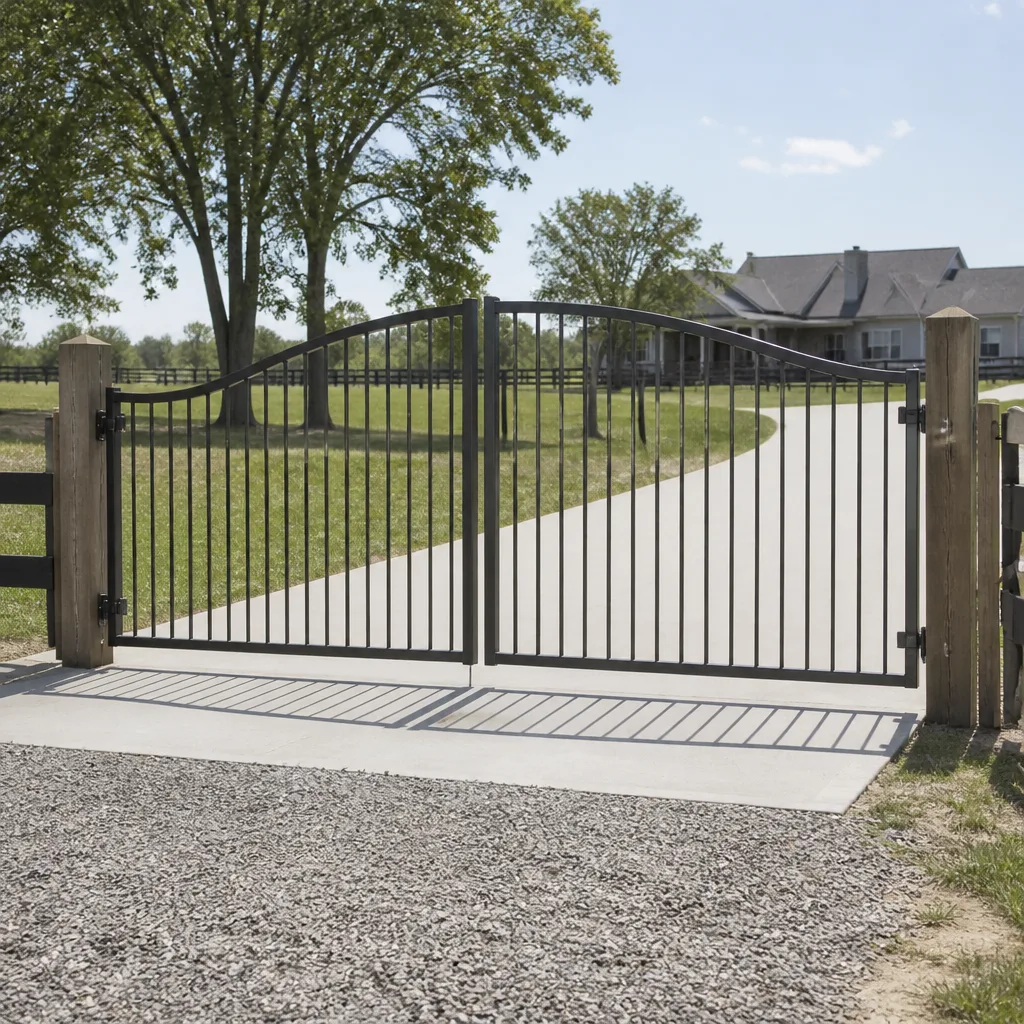 Farm & ranch
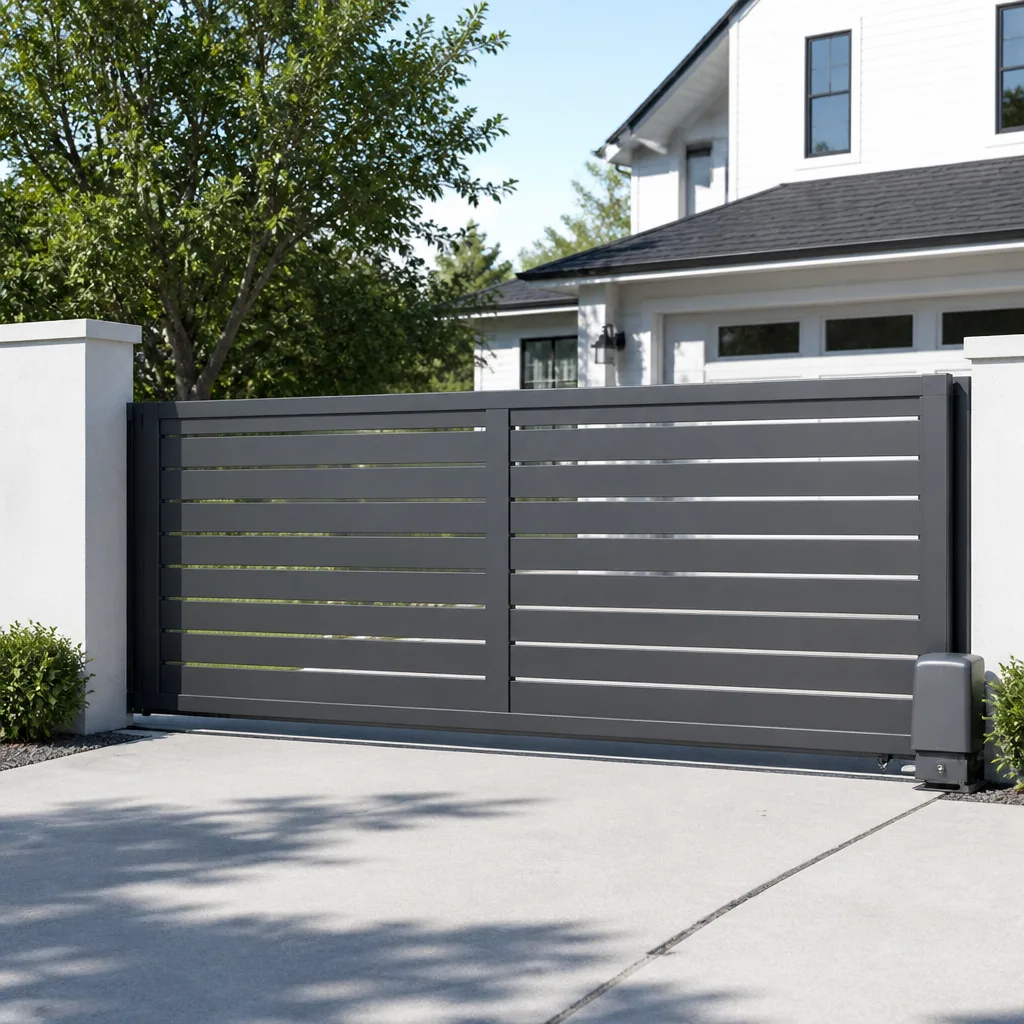 Sliding driveway gates
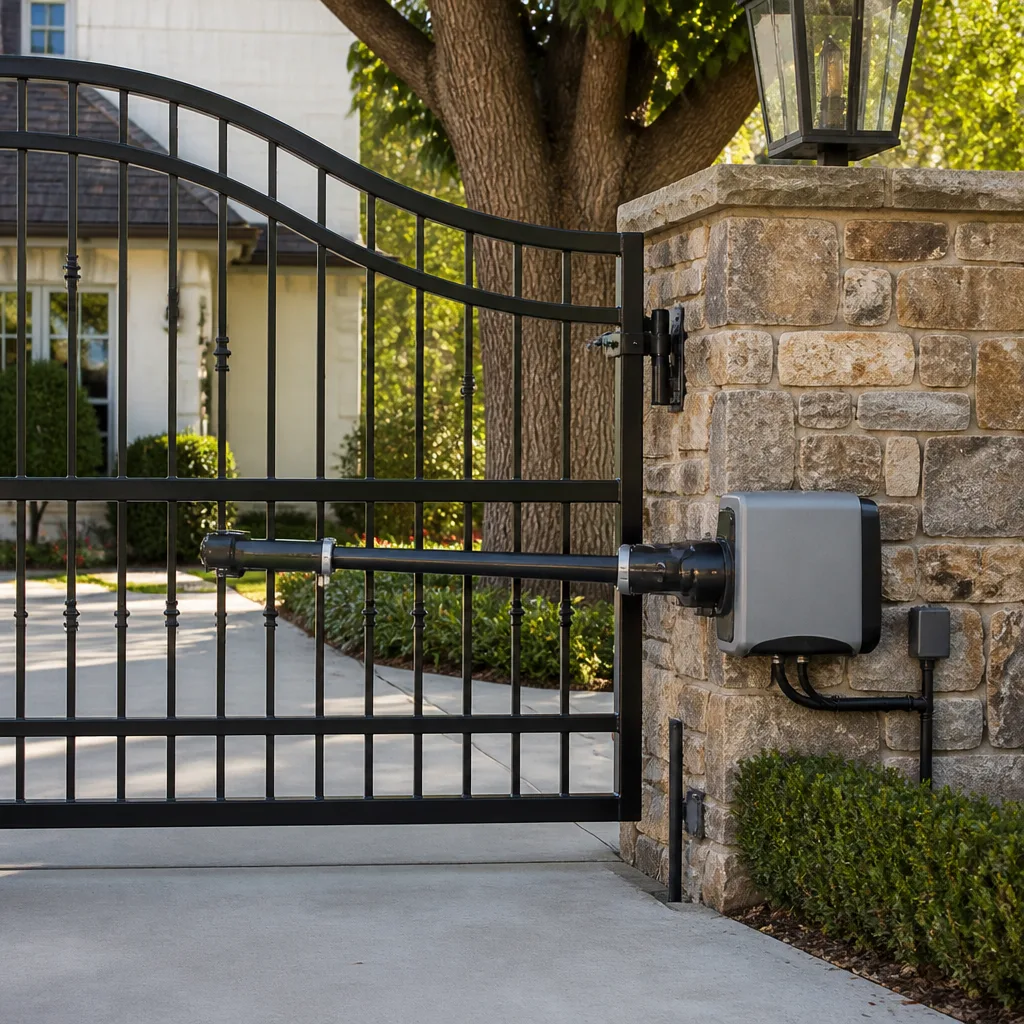 LiftMaster operators
Free on-site gate assessment - hinges, posts, and your LiftMaster or Nice gate operator checked before anything is quoted
The assessment is free and the quote is the invoice.
Get your free estimateGate Repair Maintenance Schedule: What to Do and When
Most gate maintenance calendars are written for a climate that doesn’t exist here. Manufacturers publish intervals for “average” conditions, which means a 12-month grease schedule assumes moderate temperatures, mild dust, and rainwater that rinses hardware clean. Peoria runs none of that. Summer heat and monsoon grit push lubricants and moving parts through wear far faster than the label suggests, so a schedule that works in a temperate zone can leave a Peoria gate under-serviced for months. This guide lays out a maintenance calendar built around the seasons your gate actually lives in, plus the lubrication, electrical, and record-keeping habits that keep an automatic gate reliable between visits.
Quick Answer
A working gate maintenance schedule for Peoria runs on three anchors: a pre-summer electrical and battery test in April, a pre-monsoon hardware and lubrication pass in June, and a post-monsoon debris and rust inspection in October, with light monthly checks in between. Desert heat breaks down lubricants faster than moderate climates, and monsoon dust and irrigation hard water create wear patterns a generic annual tune-up misses. The right schedule catches those failures before they turn into a broken gate.
Styles & brands we work with
- Wrought iron
- Wood & steel frame
- Farm & ranch
- Sliding driveway gates
- LiftMaster operators
Table of Contents
- Why a Standard Maintenance Schedule Falls Short in Peoria
- The Month-by-Month Gate Maintenance Calendar
- Which Lubricants Survive 110°F Heat (and Which Don’t)
- Hard Water and Your Gate Hardware
- Electrical Maintenance: What You Can Do and What Needs a Technician
- Building a Maintenance Log That Actually Helps
- Manual Gate vs. Automatic Gate: Different Schedules
- Signs Your Gate Needs Service Before the Next Scheduled Check
Why a Standard Maintenance Schedule Falls Short in Peoria
Manufacturer maintenance intervals are written to be safe across a wide range of climates. That’s a sensible approach for a company selling hardware everywhere, but it means the printed interval usually reflects the easiest conditions a gate will ever see, not the hardest. In a place where summer highs push well past 100°F and fine dust blows through for weeks during monsoon season, the printed interval is optimistic.
Three forces do most of the damage to gates around Peoria, and a generic checklist doesn’t name any of them:
- Heat. Lubricants thin out and oxidize faster in sustained high heat. A grease that holds its film for a year in a mild climate can lose that protection in a fraction of the time here, leaving metal-on-metal contact inside hinges, rollers, and the operator’s drive mechanism.
- Dust and grit. Monsoon winds and everyday desert dust work their way into pivot points and track channels. The wrong lubricant turns dust into a grinding paste, which is worse than running dry.
- Hard water. Irrigation runoff and sprinkler overspray carry dissolved minerals that deposit on hinges, rollers, and latches. The buildup is slow and easy to miss until a gate starts to bind.
A Gate Repair Peoria technician sees the results of these three forces constantly: gates that were “just serviced” six months ago already running rough, openers straining against dry mechanisms, and photo-eyes clouded with mineral film and dust. The fix isn’t more maintenance, it’s the right maintenance on the right schedule for this climate.
The good news is that a climate-adapted schedule is simpler than a manufacturer’s full checklist. You’re not doing more tasks, you’re doing the right ones at the right times of year.
The Month-by-Month Gate Maintenance Calendar
Peoria’s year has a natural rhythm: a hot dry stretch, a hot and dusty monsoon season, and a mild winter that’s the best time for any heavier work. Build your maintenance calendar around those seasons rather than around a date on the manufacturer’s label.
- April – pre-summer electrical and battery test. Before the heat peaks, test the operator’s battery backup under load, check all electrical connections at the control board, and clear the area around the operator of debris. Winter dust that settled on the board housing gets cleaned out now, before it bakes on.
- May – full lubrication pass. Grease hinges, rollers, chains, and the operator’s drive components just before the hottest stretch. A fresh film of the right high-temp lubricant going into summer matters more than a routine pass in cooler months.
- June – pre-monsoon hardware check. Tighten all fasteners, check gate post anchors, inspect latches and hinges for looseness, and confirm the gate swings or slides without binding. Monsoon wind and dust will stress anything already loose.
- July and August – light monthly checks. Walk the gate, look for debris in tracks (automatic sliding gates), check the photo-eye lenses for dust and mineral film, and listen for new noises. Don’t do heavy lubrication in the dustiest stretch; you’ll just trap grit.
- October – post-monsoon debris and rust inspection. Clear dust from track channels, hinges, and the operator housing, and look for the first signs of rust. This is the inspection that catches any damage the monsoon season did.
- November – lubrication and tune-up. Fresh lubricant after the clearing and cleanup, plus a check of all safety sensors and reversing functions.
- January and February – heavier repairs and adjustments. Mild winter weather is the right time to tackle anything that needs more than routine attention: hinge replacement, hardware adjustments, and any repair that was deferred during the hot months.
The exact dates will drift a little year to year, which is fine. The point is to put the heavy tasks in the right season and the light checks in between, rather than running everything on one annual date.
Which Lubricants Survive 110°F Heat (and Which Don’t)
The single most common mistake we see on Peoria gates is the wrong lubricant. Two products show up more than any other, and both cause more problems here than they solve:
- WD-40 and similar spray oils. These are penetrating oils, not lubricants. They’re useful for freeing a stuck bolt, but on a hinge or roller they evaporate quickly and leave no protective film. In desert heat, they’re gone in days, and in the meantime they attract dust that binds up the very parts you were trying to protect.
- Standard white lithium grease. Fine in a mild climate, but the common aerosol versions thin out and run in sustained heat, and their film picks up grit easily. It’s not a bad product, it’s just not the right one for a gate baking in the desert sun.
What works better in this climate:
- A high-temperature, water-resistant grease for hinges, pivot points, and the operator’s drive mechanism – products labeled for high-temp bearing use survive summer heat where standard grease doesn’t.
- A dry-film or silicone-based lubricant for chains and track channels on sliding gates, because it doesn’t hold dust the way wet grease does.
- A dedicated track and roller lubricant for sliding gate hardware, applied lightly and wiped clean, rather than a thick coat that traps grit.
Whichever products you choose, apply sparingly and wipe off the excess. A thin, clean film of the right lubricant beats a thick coat of the wrong one every time, especially when dust is blowing.
Hard Water and Your Gate Hardware
Across much of Peoria, sprinkler overspray and irrigation runoff are the quiet culprits behind stiff hinges and binding rollers. Water from drip systems and spray heads carries dissolved minerals, and when it dries on gate hardware it leaves a hard film that builds up layer by layer.
The problem is that it doesn’t look like a problem at first. A hinge with a light mineral film still operates, so it gets ignored. Over a season or two, that film thickens, works into the pivot, and mixes with dust. The gate starts to bind at the hinge, the operator (if it’s automatic) has to work harder, and eventually the mechanism fails outright.
A few habits keep hard water from winning:
- Point sprinkler heads away from gate hardware. This one change prevents most of the problem on residential gates.
- Wipe down hinges, latches, and rollers with a damp cloth and a mild cleaner at each maintenance pass, then re-lubricate.
- Keep the gate’s latches and hinges on the dry side of the sprinkler zone where possible – a small repositioning of irrigation can save a lot of hardware wear.
Hard water is one of the reasons a maintenance log matters. If you notice the gate binding every season at the same hinge, that’s usually an irrigation pattern, not a hardware defect, and it’s cheaper to redirect a sprinkler than to keep replacing the hinge.
Electrical Maintenance: What You Can Do and What Needs a Technician
Automatic gates have an electrical side that most maintenance guides either skip entirely or describe in terms homeowners shouldn’t attempt. The safe middle ground: some electrical maintenance is straightforward and safe for a homeowner, and some is not.
Safe for a homeowner:
- Clean the photo-eye lenses. Dust and mineral film on the sensors are the most common cause of a gate that stops mid-travel or reverses unexpectedly. Wipe the lenses with a soft cloth and check they’re still pointing at each other.
- Clear debris from the operator housing vents and around the control box so the electronics can breathe.
- Test the manual release (per the manufacturer’s instructions) to make sure you can open the gate by hand if the power goes out.
- Watch for water pooling near the operator after a storm and note it for your log – water intrusion is a common cause of control board failure.
Needs a technician:
- Testing the battery backup under load. A battery can show a full charge on a meter and still fail when the operator has to lift the gate on backup power, so testing it properly means checking it under real draw.
- Checking the control board and wiring. Even a minor short or loose connection at the board can be a shock hazard, and a wrong diagnosis there is expensive. If your operator is a LiftMaster, a Ghost Controls, or one of the other brands we service, our technicians can trace the fault at the board rather than guessing.
- Adjusting the operator’s limits, force settings, or safety reverse sensitivity. These affect how the gate behaves around people and vehicles, so they should be set by someone who knows the system.
Don’t diagnose an electrical fault on a gate operator yourself. The wiring carries real current, and a gate that fails mid-travel with someone underneath is a genuine hazard. Leave the electrical and electronic side to a trained professional.
Building a Maintenance Log That Actually Helps
Most maintenance logs are a list of dates with a checkmark. That’s not much use. A log that actually helps a technician spot wear patterns records a few specific things at each service:
- Date and what was done – lubrication, adjustment, cleaning, parts replaced.
- Cycle count (if your operator tracks it) – the number of open/close cycles tells a technician more about wear than the calendar does.
- Error codes – any code the operator flashed, even if the gate recovered. Recurring codes point to a failing component long before it fails completely.
- Owner notes – “gate seems slow on hot days,” “clicking noise from the operator, driver’s side,” “binding at the rear hinge.” These are exactly the observations a technician uses to spot a trend.
Also note how the gate sounds and feels at each check: a healthy gate swings or slides with steady effort and a consistent sound. A change in sound or effort at the same point in the travel is a warning sign, and a written log is what turns a vague “it feels different” into a pattern a technician can act on.
Why it matters: with a log, each service call builds on the last rather than starting from zero. A technician can see that the same hinge has been re-lubricated three times and is still binding, or that the operator’s error codes are appearing more often. That’s how a real wear trend gets caught before it becomes an emergency call.
Manual Gate vs. Automatic Gate: Different Schedules
Manual swing gates and automatic gates share a lot of maintenance tasks, but the emphasis differs. A manual gate is mostly hinges, latches, and structural hardware, while an automatic gate adds an operator, sensors, and a control board on top.
Manual gate priorities:
- Hinge lubrication – the pivot point takes all the load, and a dry hinge wears fast.
- Latch and striker adjustment – a gate that droops slightly will stop latching cleanly, and that’s easy to fix early.
- Post and hardware anchoring – check for looseness annually, especially after monsoon season.
Automatic gate priorities (in addition to manual tasks):
- Battery backup – test under load before summer, since backup power is often needed during a power outage.
- Safety sensors – clean and test the photo-eyes and any safety edges each season.
- Operator lubrication – follow the manufacturer’s spec, but consider a shorter interval in Peoria’s heat than the label suggests.
- Manual release – verify it works, so you’re never stuck if the operator fails.
If your automatic gate has a keypad or intercom entry system, include those in your checks as well: clean the keypad contacts, test the intercom, and make sure the gate responds correctly to an open command from each entry point. Access-control hardware is often overlooked in maintenance, but it’s the part residents and guests interact with every day.
Signs Your Gate Needs Service Before the Next Scheduled Check
A calendar is a good baseline, but the gate will tell you when it needs attention sooner. Watch for these signals, and call for gate repair if you see any of them:
- The gate moves slower or with more effort than it used to. This is often the first sign of binding hinges or a failing operator.
- New noises – grinding, clicking, or scraping from the operator or the gate track. Grinding usually means metal-on-metal contact; clicking often means a loose component or a failing relay.
- The gate stops or reverses before it should. This is typically a safety-sensor issue: dirty lenses, misalignment, or a failing sensor.
- The operator beeps or flashes error codes. Check the manual for what the code means, and note it in your log.
- The battery backup fails to hold the gate open during a power outage. A sign the battery is at end of life.
- A gate that doesn’t close completely or latches properly. Often an alignment issue, but it should be corrected before it puts strain on the operator.
A gate that’s binding is also a safety issue, not just an inconvenience. An automatic gate that reverses unexpectedly, or one that fails to stop when someone walks through, needs professional attention. If the gate or operator behaves erratically, stop using the automation and have it checked before you run it again.
Common Mistakes to Avoid
- Following the manufacturer’s “annual” interval and stopping there. In Peoria’s heat, a 12-month grease interval is optimistic – the lubricant is often past its useful life before the next scheduled service.
- Using WD-40 as a gate lubricant. It’s a penetrating oil, not a lubricant, and it attracts dust. Use a high-temperature grease on hinges and a dry-film lubricant on chains.
- Thick coats of grease to “protect” the hardware. Heavy grease traps desert dust and turns into grinding paste. A thin, clean film is better.
- Ignoring photo-eye and sensor cleanliness. Dust and mineral film on the lenses cause most “random” gate stoppages. Clean them at each maintenance pass.
- Doing heavy lubrication during monsoon season. You’ll just trap grit in freshly applied grease. Clear the dust first, then lubricate.
- Overlooking hard water and irrigation overspray. Redirect sprinklers away from hinge and hardware zones, or you’ll be replacing hardware every season or two.
- Treating each service call as a fresh start. Without a log of cycle counts, error codes, and observations, a technician can’t see the wear trend building across visits.
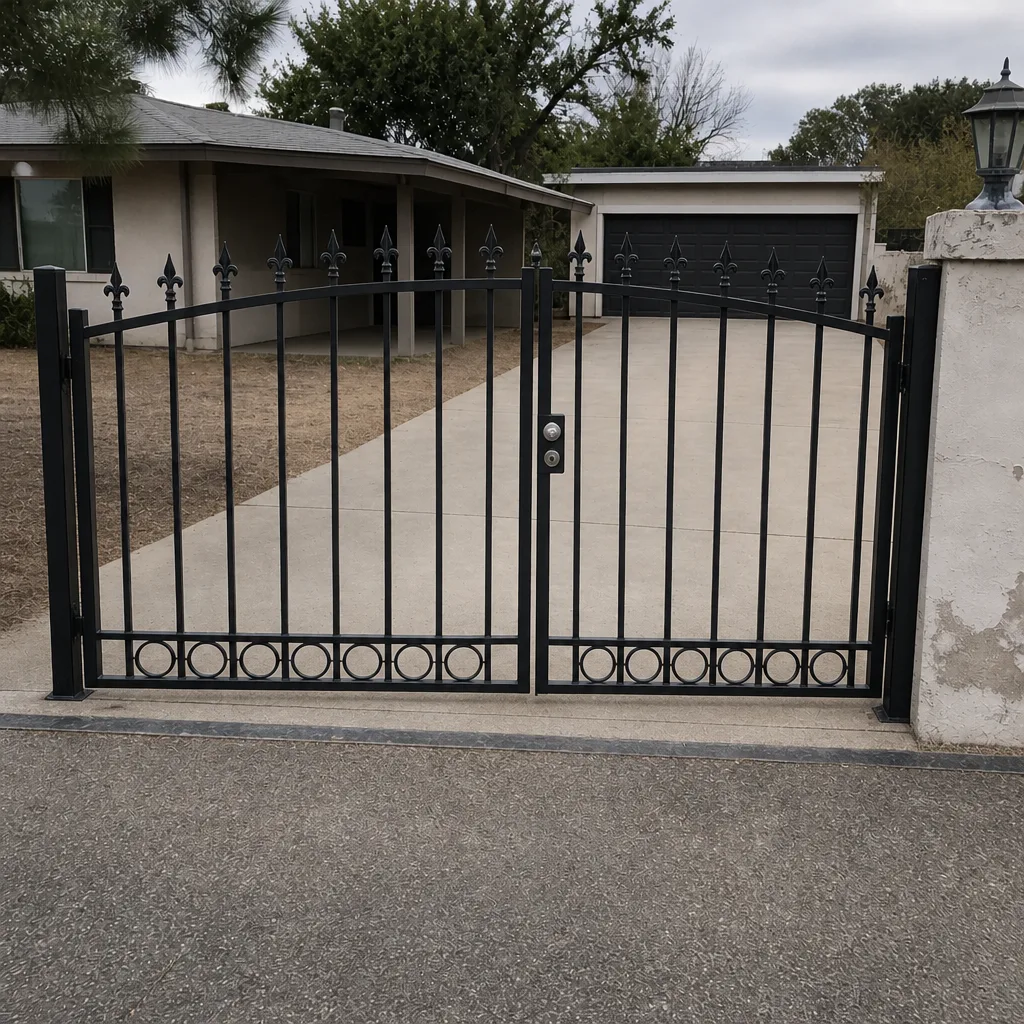
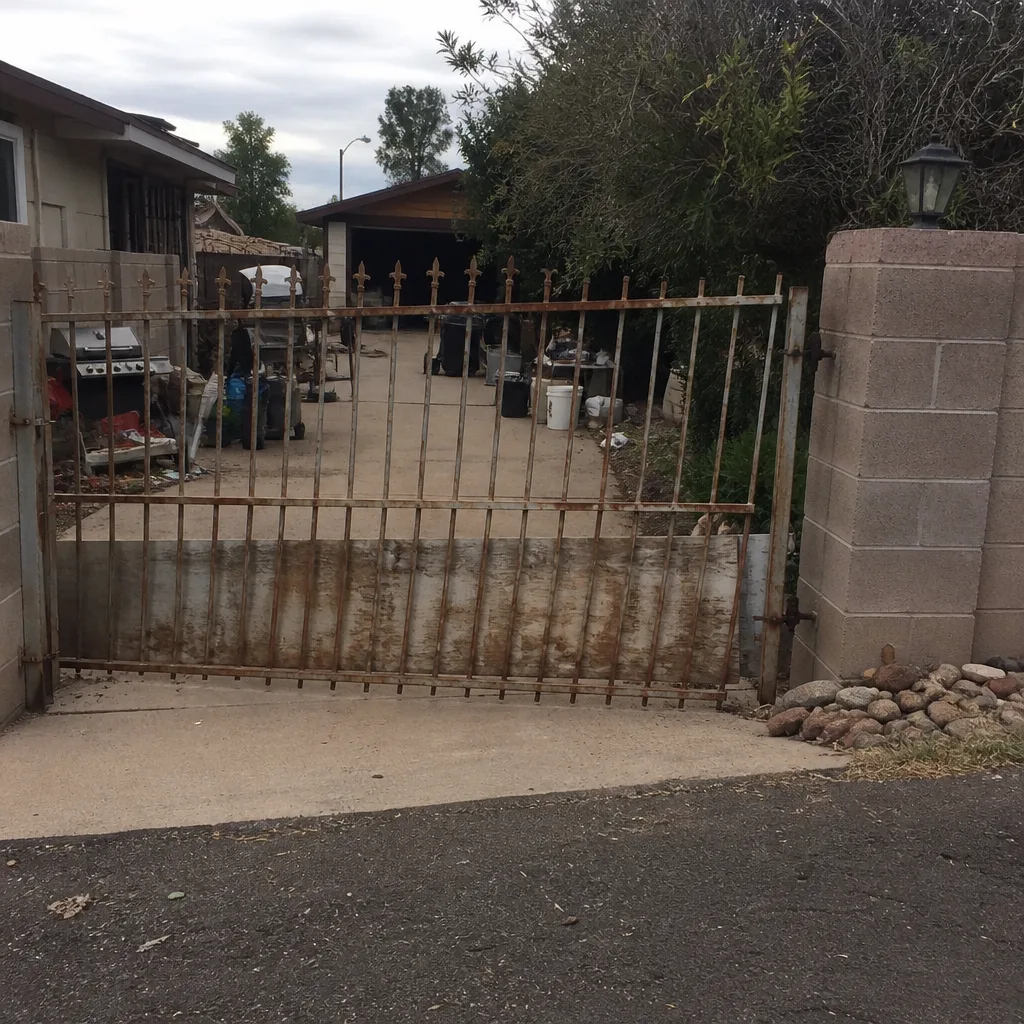
See the difference
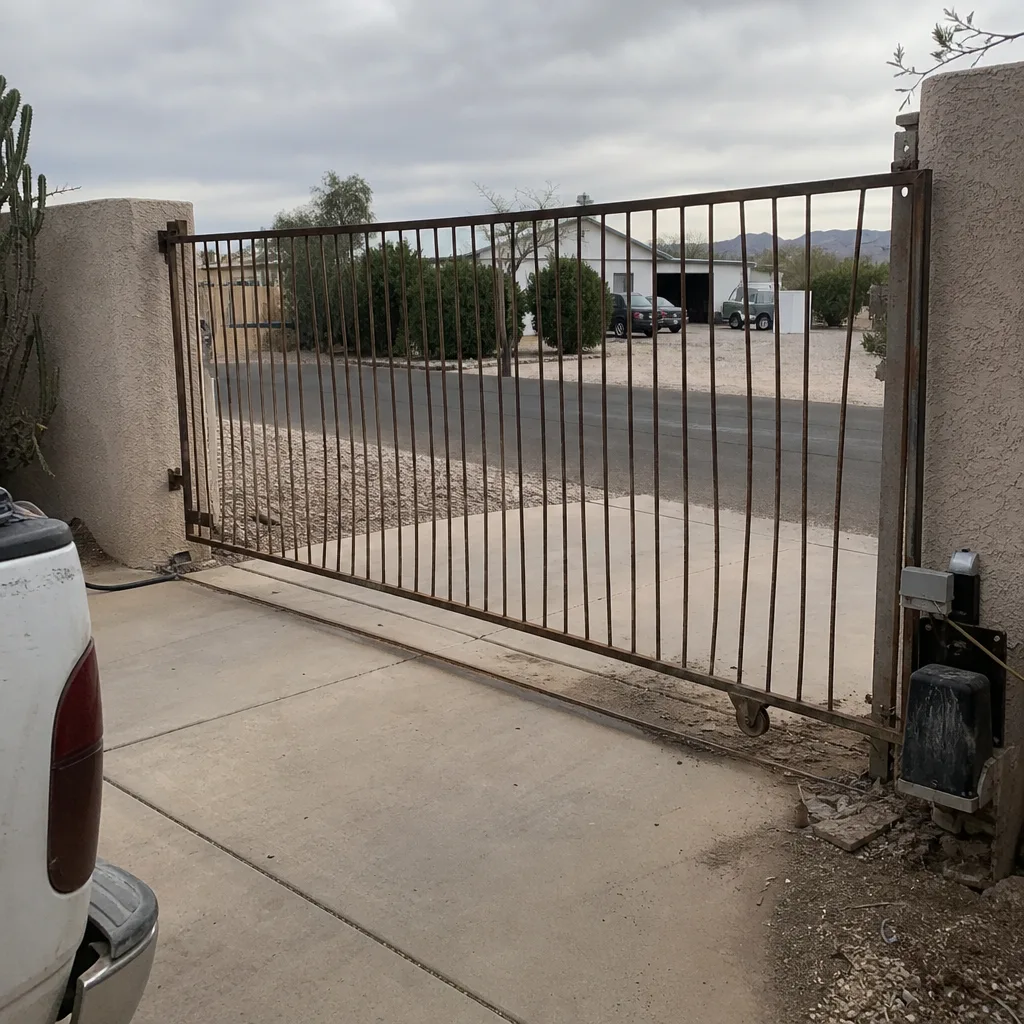 Before
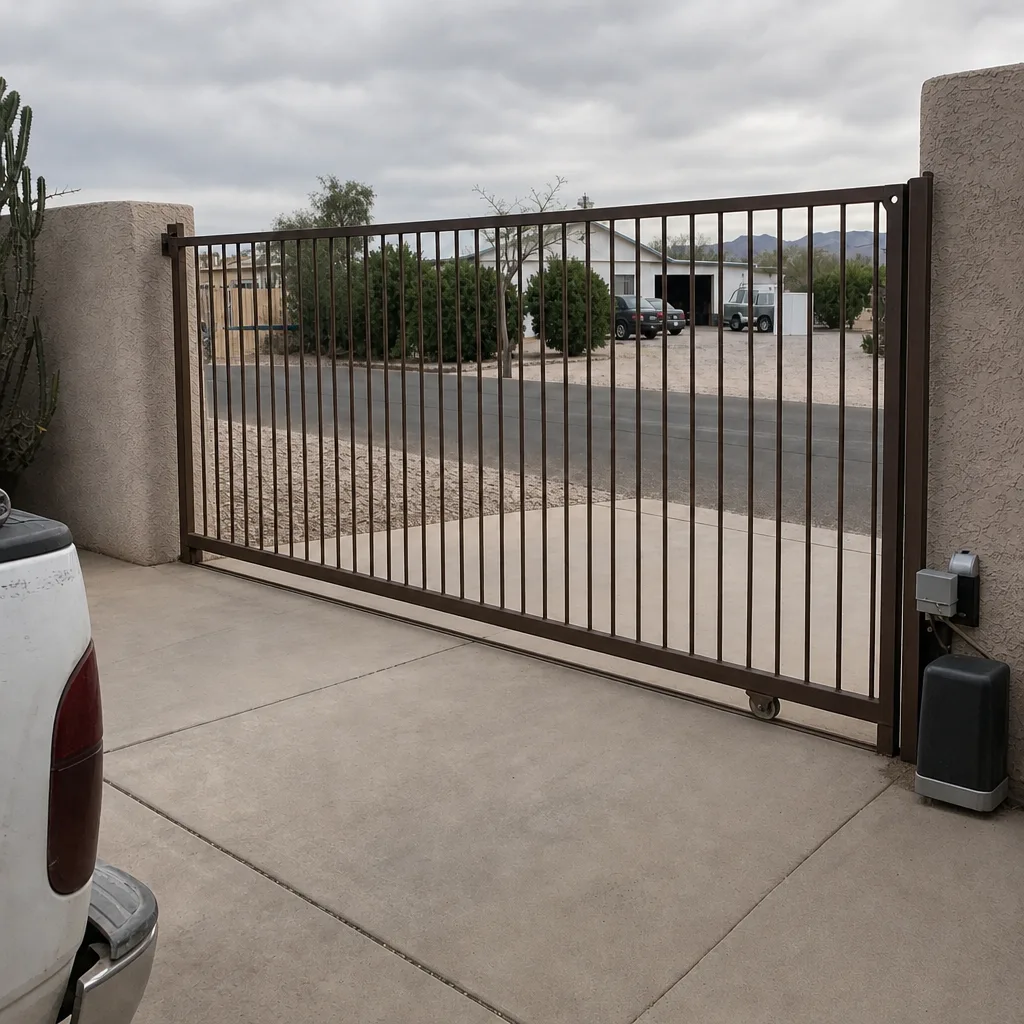 After
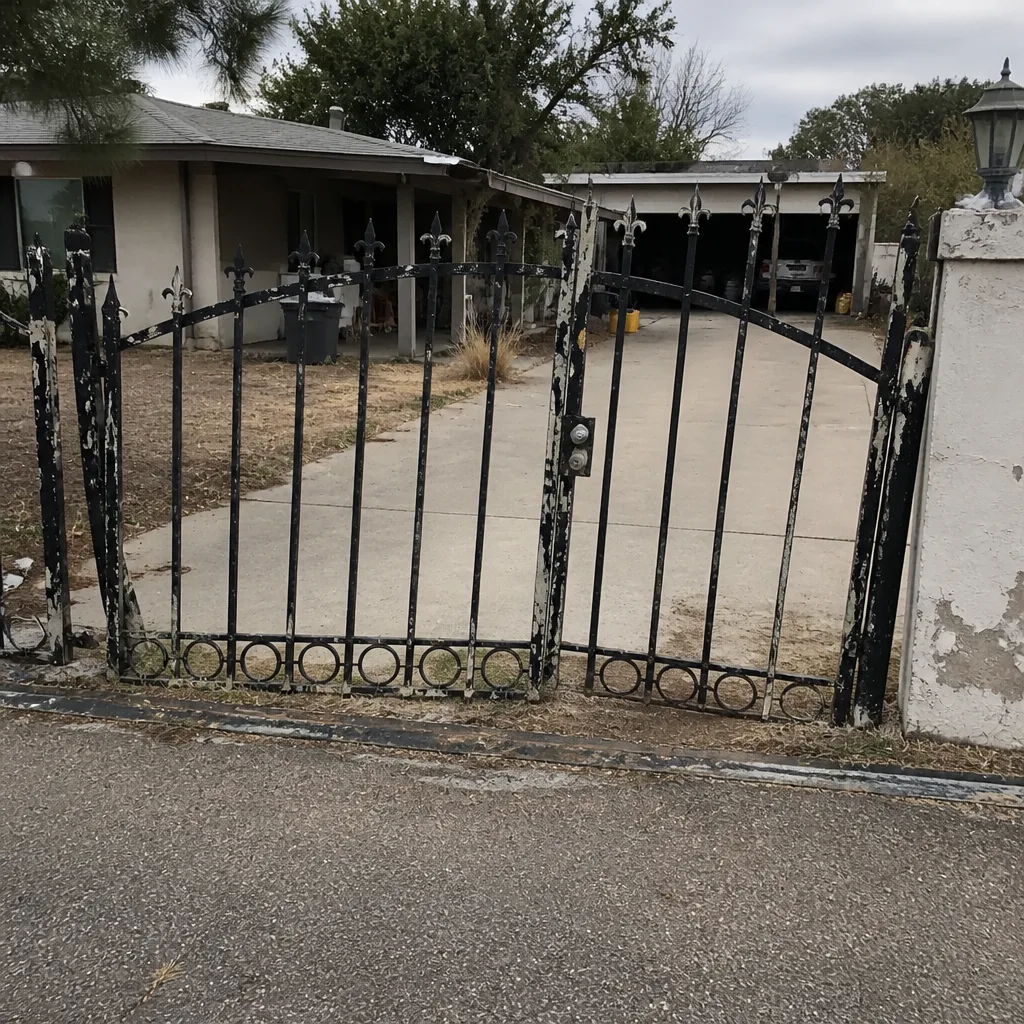 Before
 After
 Before
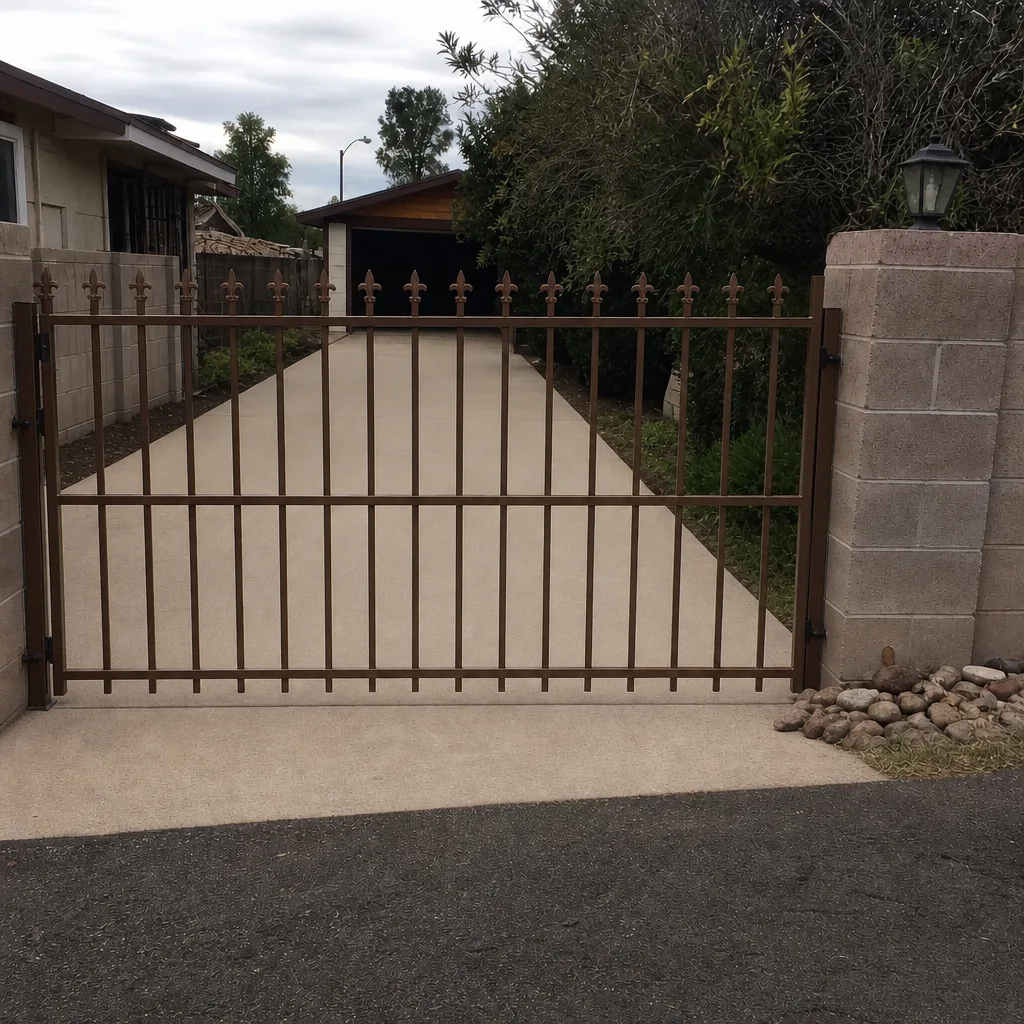 After
When to Call a Professional
Some tasks belong on your calendar, and some belong with a technician. Call a professional if the operator throws recurring error codes, if the gate moves erratically or reverses without cause, if the battery backup fails under load, if you see water intrusion near the control board, or if any electrical component sparks, buzzes, or smells hot. These are the signs that the problem is at the electronics or the wiring, where a wrong diagnosis is expensive and a wrong repair is a hazard. Our technicians have up to 11 years of experience and can diagnose the operator, control board, and sensors, not just the visible hardware. Electric gate repair is all we do on that side of the gate. Gate Repair Peoria offers free estimates in Peoria – call (855) 574-0402. We answer 24/7. Fast dispatch from 7am to 7pm, Sunday through Friday.
Frequently Asked Questions
For most residential gates in Peoria, a full service pass twice a year works well (one in spring before summer heat, one in fall after monsoon season), with light monthly checks in between. Gates in heavy use, like an automatic driveway gate on a busy household, benefit from a lubrication and inspection check at each season. Manufacturers’ printed intervals assume a moderate climate, and Peoria runs hotter and dustier than that, so a shorter effective interval keeps up.
Use a high-temperature, water-resistant grease on hinges and pivot points, and a dry-film or silicone-based lubricant on chains and sliding tracks. Avoid WD-40 (a penetrating oil, not a lubricant) and standard aerosol white lithium grease, both of which break down faster in desert heat and attract grit. Apply sparingly and wipe off the excess.
You can safely clean photo-eye lenses, clear debris from operator vents, check that your manual release works, and watch for water pooling near the control box. Testing the battery backup under load, diagnosing control board faults, and adjusting safety settings should be done by a trained technician because the wiring carries real current and the safety settings affect how the gate behaves around people.
New noises, slower movement, binding hinges, or a gate that stops short are often maintenance issues that service will fix. Erratic behavior, recurring error codes, or a gate that reverses unexpectedly point to a repair issue, and on an electric gate that’s a safety matter, so stop using the automation and have it checked. If you’re unsure, call and describe what you’re seeing – a technician can advise you.
Yes. Mineral deposits from irrigation overspray and runoff build up on hinges, rollers, and latches, and over time that film mixes with dust and causes binding. Redirecting sprinklers away from the gate and wiping down hardware at each maintenance pass prevents most of the problem. If the same hinge keeps binding every season, suspect irrigation before replacing hardware.
Call us and we’ll book you in for Sunday – we’re closed on Saturday, but our technicians are available Sunday through Friday, 7am to 7pm. For an electric gate, stop using the automation and open the gate by hand using the manual release if you can do so safely.
The Bottom Line
Gate maintenance in Peoria is a calendar built around heat, monsoon dust, and hard water, not a generic annual tune-up. Put the electrical and battery test in April, the hardware and lubrication pass in June before monsoon, and the debris and rust inspection in October. Use high-temperature grease and dust-resistant products, keep an eye on irrigation overspray, and keep a log that tracks cycle counts, error codes, and observations so each service call builds on the last. When the electrical side or the safety sensors act up, that’s an electric gate repair call, and a Peoria technician is the right person to make it.
For a schedule that fits your gate, or for a one-time inspection, call (855) 574-0402. We answer 24/7. Fast dispatch from 7am to 7pm, Sunday through Friday. Estimates are free, the price is quoted and agreed before any work starts, and whether your opener is a Viking, a Ghost Controls, a DoorKing, or an Elite, we know the system.
Written by the team at Gate Repair Peoria.